The Atlantic Mill and What It Took to Build Cotton's Capital
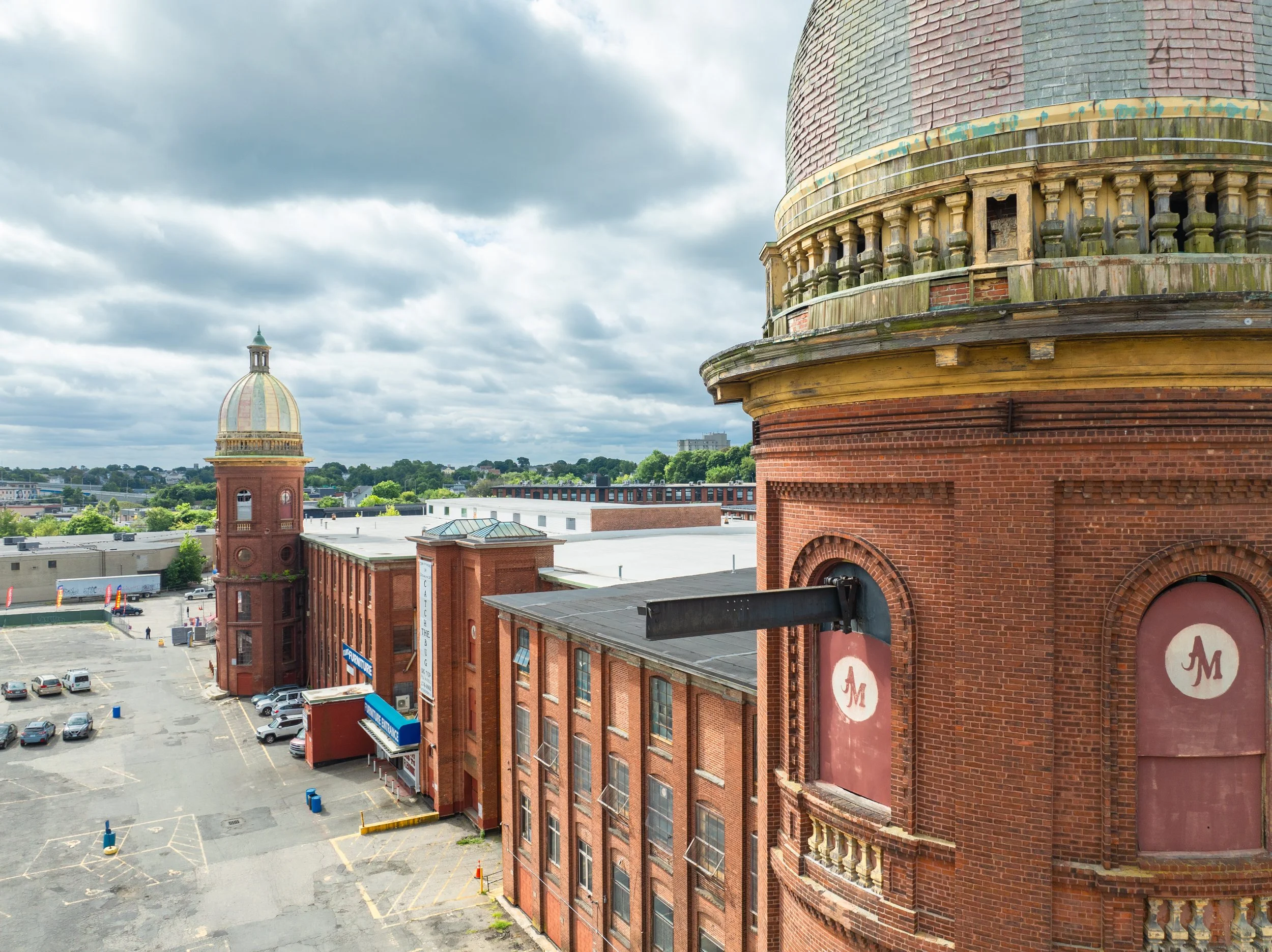
Atlantic Mill Drone
You've probably seen it from the drone footage and never known what you were looking at. Two copper domes rising above a sprawling red brick complex on the Olneyville side of Providence, just off Route 6. Most people drive past it every day. I'm Dave, and I've been circling that building for years trying to figure out everything it's holding.
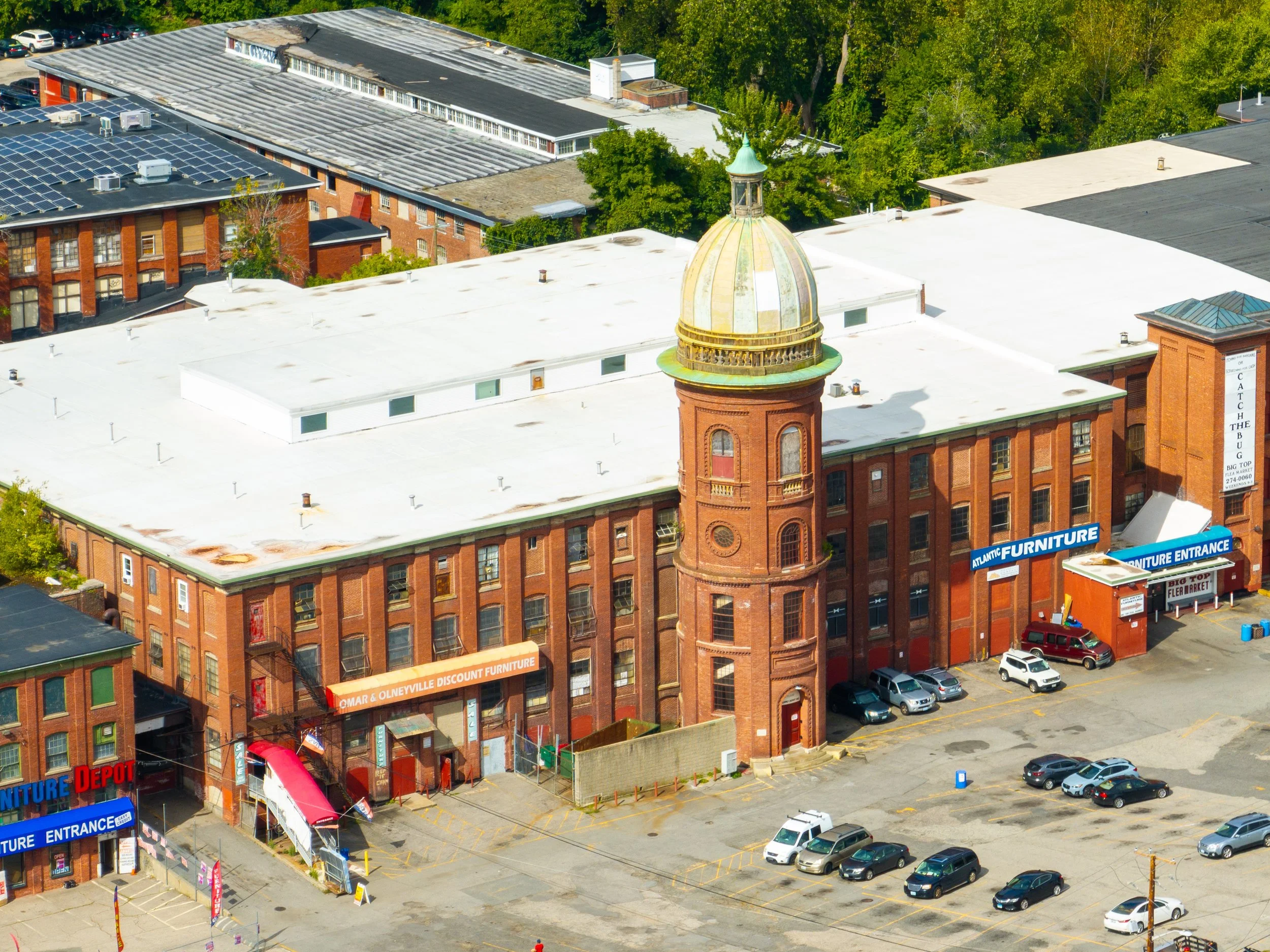
The Atlantic Mill is one of those structures that stops you once you actually look at it. It doesn't fit the typical mill profile. Most Blackstone Valley mills are utilitarian. Long brick rectangles with maybe a tower or a bell cupola. The Atlantic went bigger. Two full copper-clad domes anchoring either end of the main structure, decorative brickwork, a scale that says whoever built this wasn't just trying to make cloth. They were making a statement.
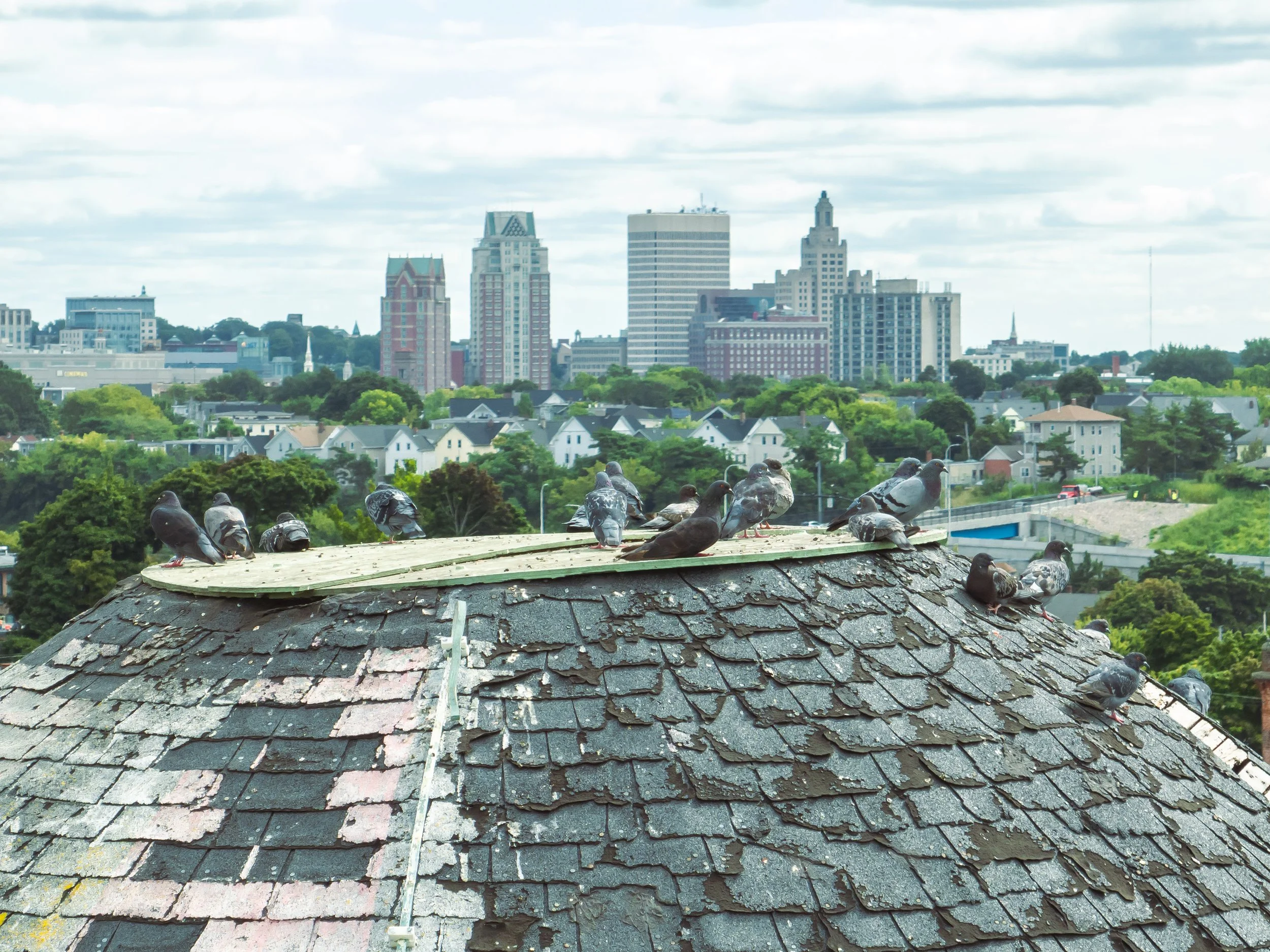
Atlantic Mill Done Pigeons
The complex sits along the Woonasquatucket River in Providence's Olneyville neighborhood, a part of the city that used to be one of the densest concentrations of textile production in the country. By the mid-1800s, Olneyville was grinding out cotton goods in volume, and the Atlantic Mill was the centerpiece of that production. The mill was built in stages through the second half of the nineteenth century, eventually growing into one of the largest textile operations in all of New England. At its height it employed hundreds of workers, mostly immigrant families who filled the triple-decker neighborhoods that still ring the building today.
That's the thing about mills like Atlantic. They didn't exist in isolation. Every floor of looms meant another block of tenement housing. Every shift change meant a neighborhood alive with foot traffic at five in the morning. The mill and the community were the same organism. The Woonasquatucket provided the water privilege. The canal system and the railroad provided the raw cotton moving in and the finished goods moving out. And the families, Irish immigrants first, then French Canadians, then Portuguese, then Cape Verdean, provided the labor that made all of it run.
I've been up in the drone over this building, and from the air it looks like a small city block all by itself. The main structure runs long and deep, those two domes punctuating either end like bookends. From the ground the scale hits differently. The arched window openings, the corbeled brick detailing, the scale of the loading bays. This wasn't thrown up fast. Someone spent money on the architecture because the building was also the brand.
By the early twentieth century, New England's textile industry was in trouble. Southern mills could produce the same cloth cheaper because labor was cheaper and newer factories didn't carry the maintenance overhead of hundred-year-old brick complexes. The Atlantic Mill's manufacturing era wound down the same way it did across the valley. Machinery stripped, tenants turning over, the building cycling through warehousing and light industrial use across the mid-century decades.
What saved a lot of these Providence mill buildings was the adaptive reuse wave of the late twentieth and early twenty-first centuries. The Atlantic is one of the survivors. Today the complex houses a mix of commercial tenants and has become a hub for small businesses and light manufacturing, keeping the building alive in a way that pure preservation can't always manage.
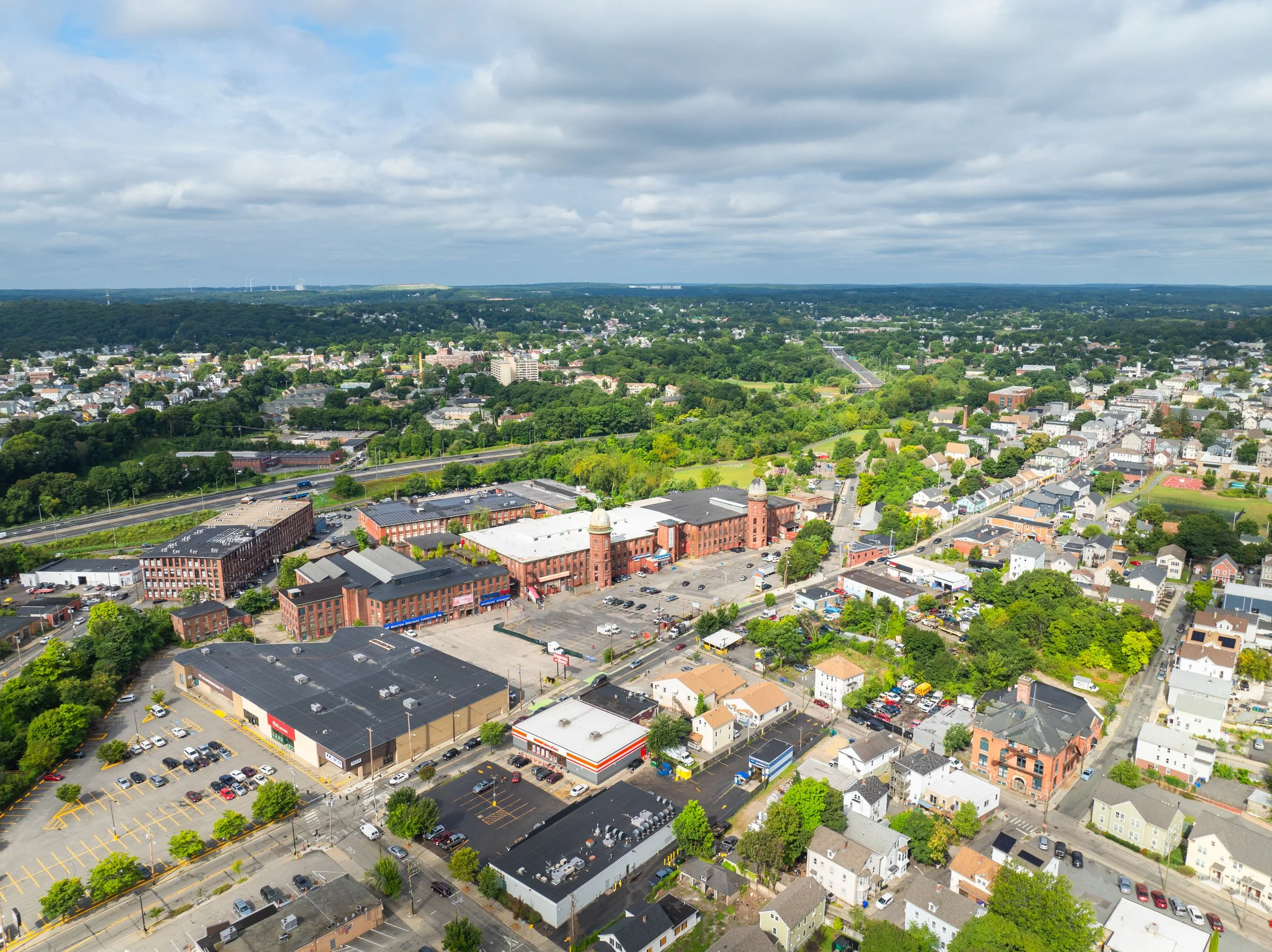
The neighborhood around it is still Olneyville. Still dense, still immigrant-built in its bones, still carrying that working-class energy that the mill put there in the first place. The triple-deckers and the tenements and the corner stores didn't just happen to end up near a mill. The mill called them into existence.
I keep coming back to the domes. Nobody needed to put copper domes on a cotton mill. You don't spin cloth any better because your building has architectural ambition. But somebody made that decision, and because they did, this building is still getting photographed a hundred and fifty years later from every angle, including mine from about 400 feet up.
That's what I love about these places. The history didn't stay behind glass. It stayed in the brick.
Follow FilmmakerDave on Facebook and Instagram for more Rhode Island industrial history. Drop a comment if you have a connection to Olneyville or the Atlantic Mill. I want to know what you remember.