I've driven through Lonsdale a hundred times. You probably have too. But most people don't realize they're passing through what was once one of the most deliberately engineered company towns in all of New England. Every house, every church, every school. Brown and Ives built it. And then, when they ran out of room, they crossed the river.
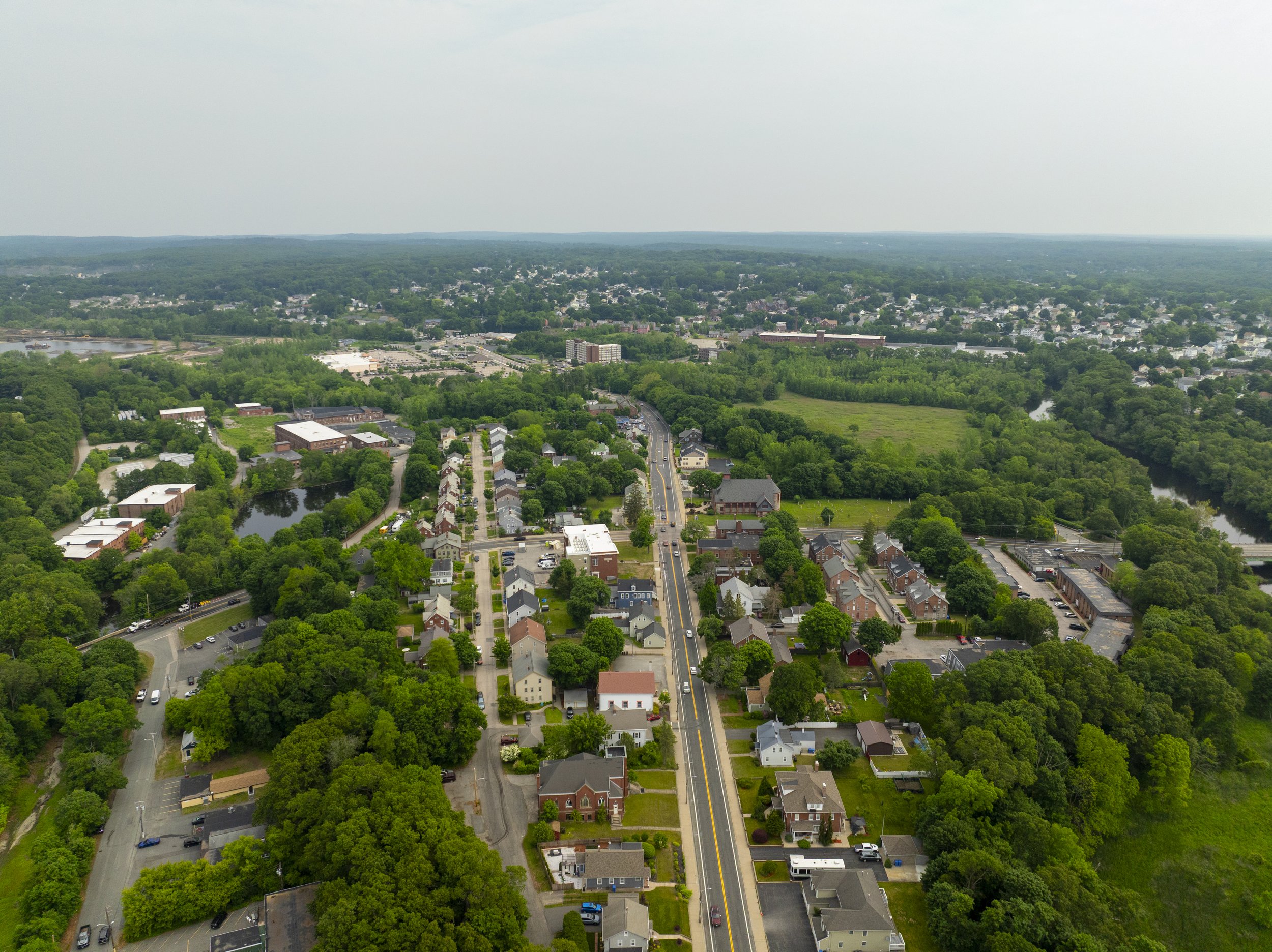
I'm Dave, and I make videos about Rhode Island history. This one goes deep on the factory system that basically invented the blueprint for how to build an industrial village from scratch.
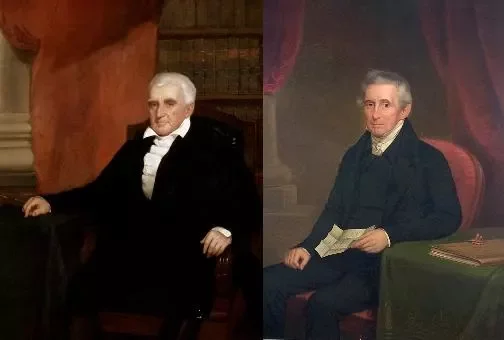
It starts with money. Old money. The Brown and Ives families of Providence were China trade merchants. Ships, silk, profit. By the early 1830s, they needed somewhere to put those profits, and they figured textile manufacturing was the answer. Between 1831 and 1834, they established the Lonsdale Company. Their man on the ground was Wilbur Kelly, a former ship captain who'd already been running a mill operation up at Ashton. Kelly knew the river. He knew the workers. And he knew how to build.
What went up in Lonsdale wasn't just a factory. It was an entire controlled environment. Three mills that could spin, weave, and finish cotton cloth from raw bale to finished fabric. Mill housing in brick, which was unusual for Rhode Island at the time. A school. An Episcopal church. A company store. Offices. The idea was simple and a little dark when you sit with it: give workers no reason to ever leave. Pay them slightly above market rate, let them feel like they own something, and keep them productive. Contemporaries noted that Lonsdale paid slightly higher wages than other New England textile firms, and that in some cases operatives actually saved enough to build their own homes and start businesses. That was the exception. The system was still the system.
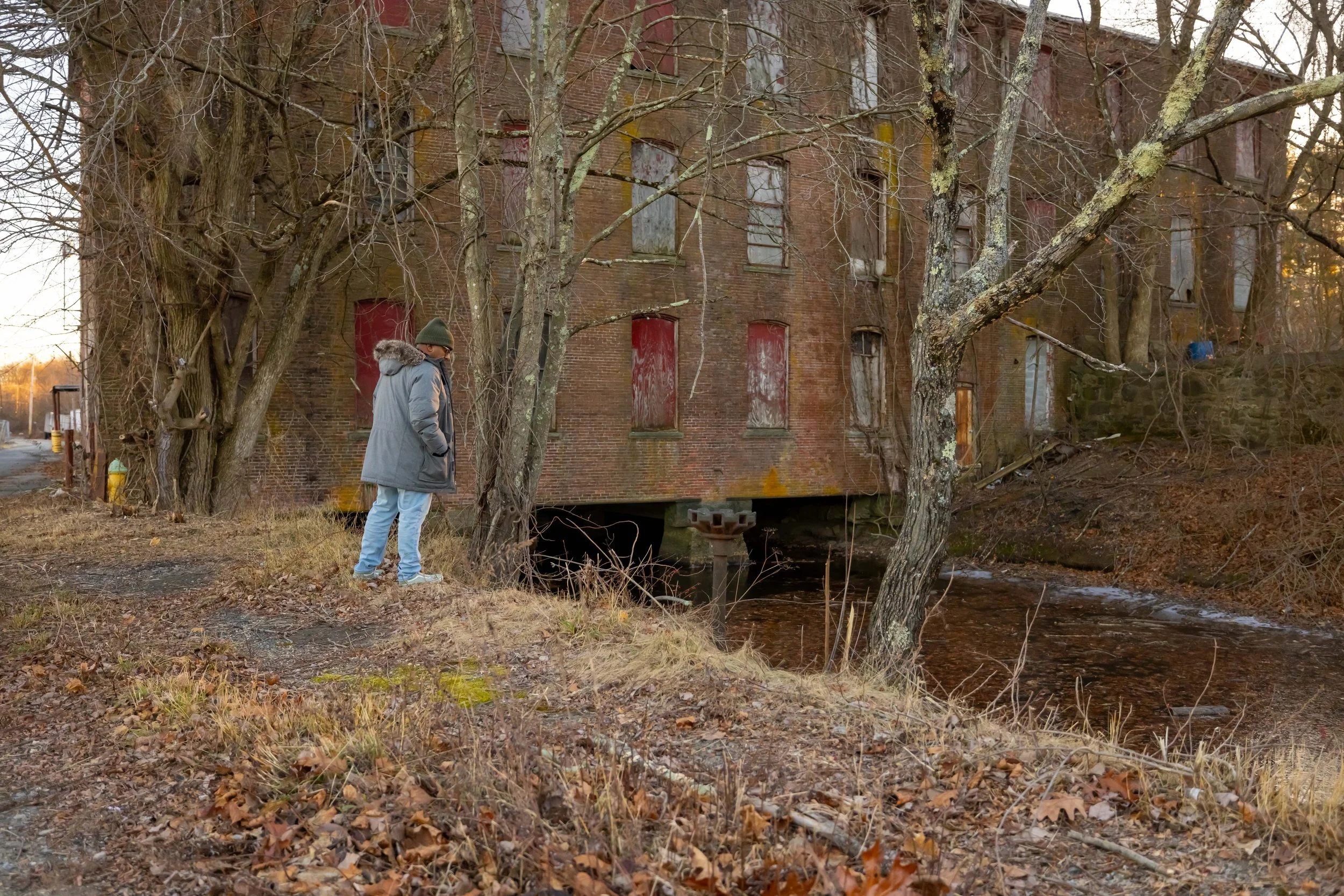
The Rhode Island model was different from Massachusetts, by the way. Up in Lowell they hired single women from the countryside and put them in boarding houses. Down here, they hired whole families. Children worked alongside their mothers on the carding and spinning machines. Twelve-hour shifts. Five-thirty in the morning to five-thirty at night. A child's job was changing spindles and keeping up. If they didn't, there were consequences. That's what the factory system really meant.
By the 1840s, the Lonsdale Company was operating a stretch of mill villages running about three miles up the Blackstone. Ashton, Berkeley, and Lonsdale itself. Each village purpose-built. Each connected by the Providence and Worcester Railroad, which opened on the Cumberland side of the river in 1848. That railroad was transformational. It was faster and more reliable than the Blackstone Canal, which had been plagued by drought, ice, and mill owners stealing water. Once the railroad was running, the valley industrialized even faster.
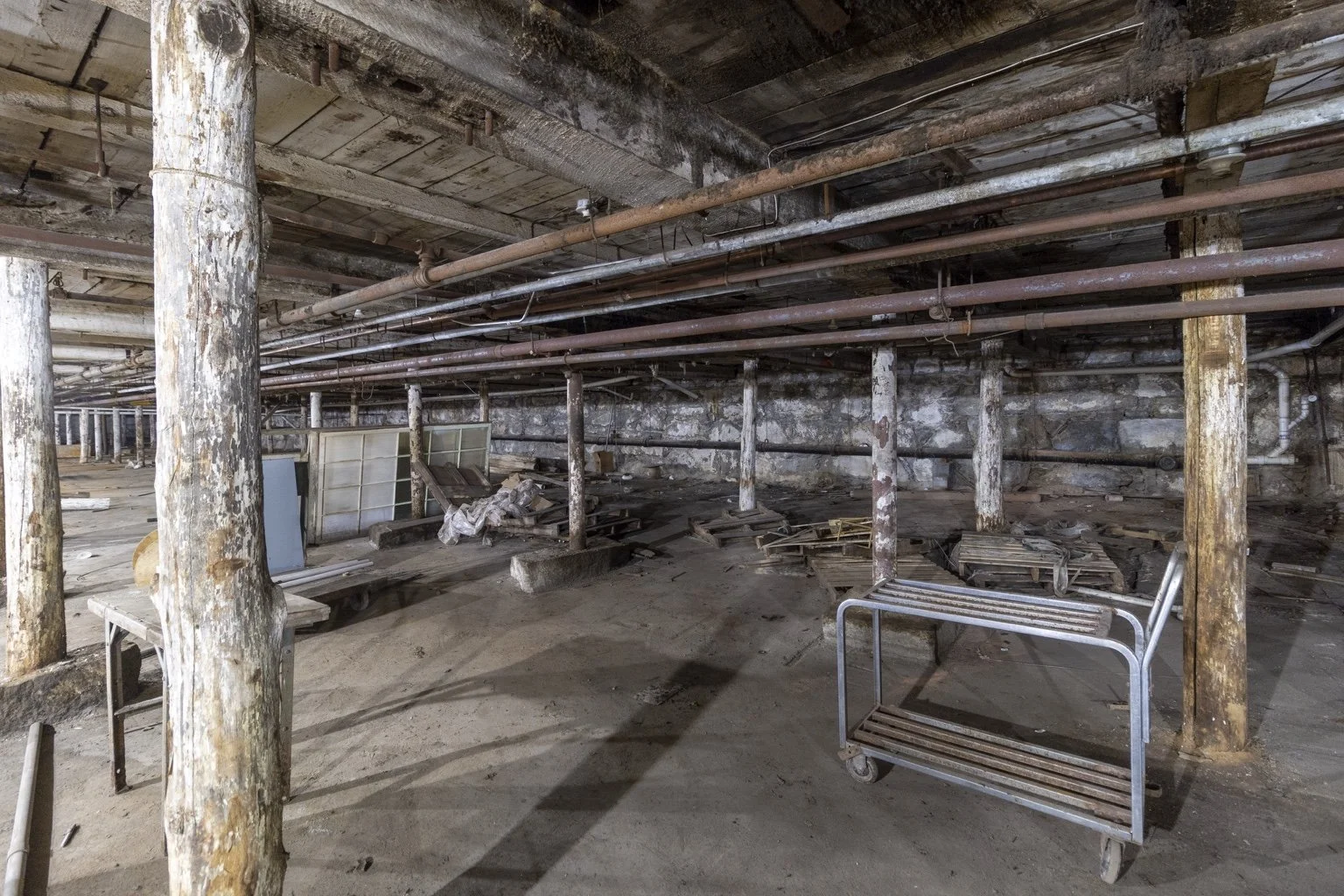
Basement of Berkley Mill.
And that's what led to the next move.
By 1886, the Lonsdale Company needed more space. The obvious answer was just across the Blackstone in Cumberland. That year they built the Ann & Hope Mill, and when it was finished, it was the largest mill of its kind in New England. Think about that for a second. Biggest in the region. A mill so massive it reshaped the name of the neighborhood around it. The area had always been part of Cumberland, but the Lonsdale Company just showed up and called it Lonsdale, and it stuck.
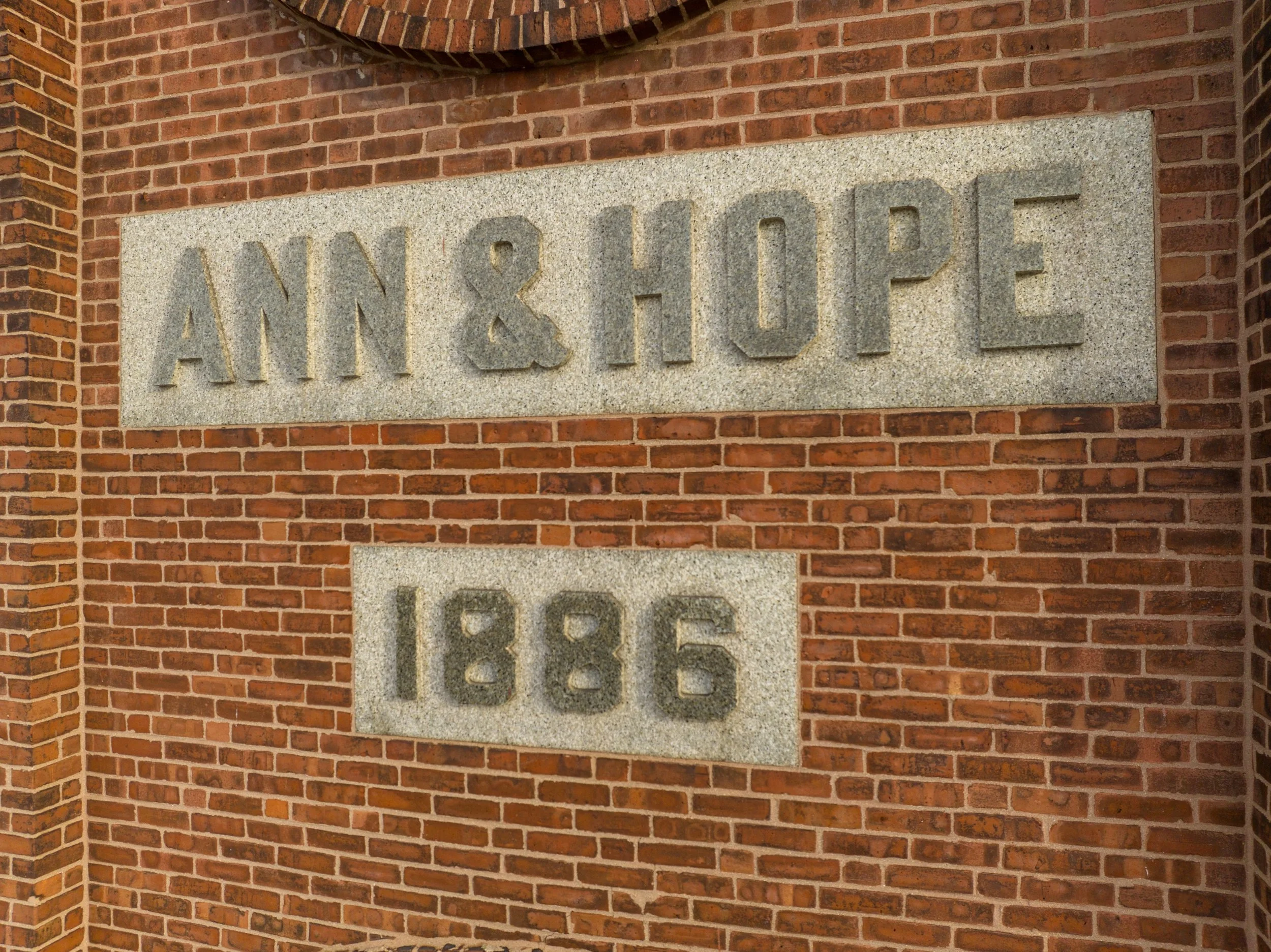
Front Tower Ann & Hope.
They also built a second mill on the Cumberland side, known as No. 4 Mill, which has since been torn down. The Ann & Hope is still standing. If you've been to that building more recently, you probably know it from its later life as a retail store. For decades it was home to the Ann & Hope discount department store, which is where the building's name comes from now. But the building predates that store by about 70 years.
What the Lonsdale Company created in that three-mile stretch wasn't just industrial output. It was a complete social ecosystem built around cotton. Muslins, percales, sheetings, shirtings, all of it coming out of the valley and shipping out through Providence. At its peak, this was one of the top three textile manufacturing operations in all of Rhode Island.
That empire wound down in the twentieth century the way most of them did. Competition from the South, changing markets, two World Wars distorting everything. The machinery was eventually stripped from the Ann & Hope Mill. The mills at Lonsdale sat quiet. Today most of the complex is still standing, some of it converted to other uses, some of it waiting.
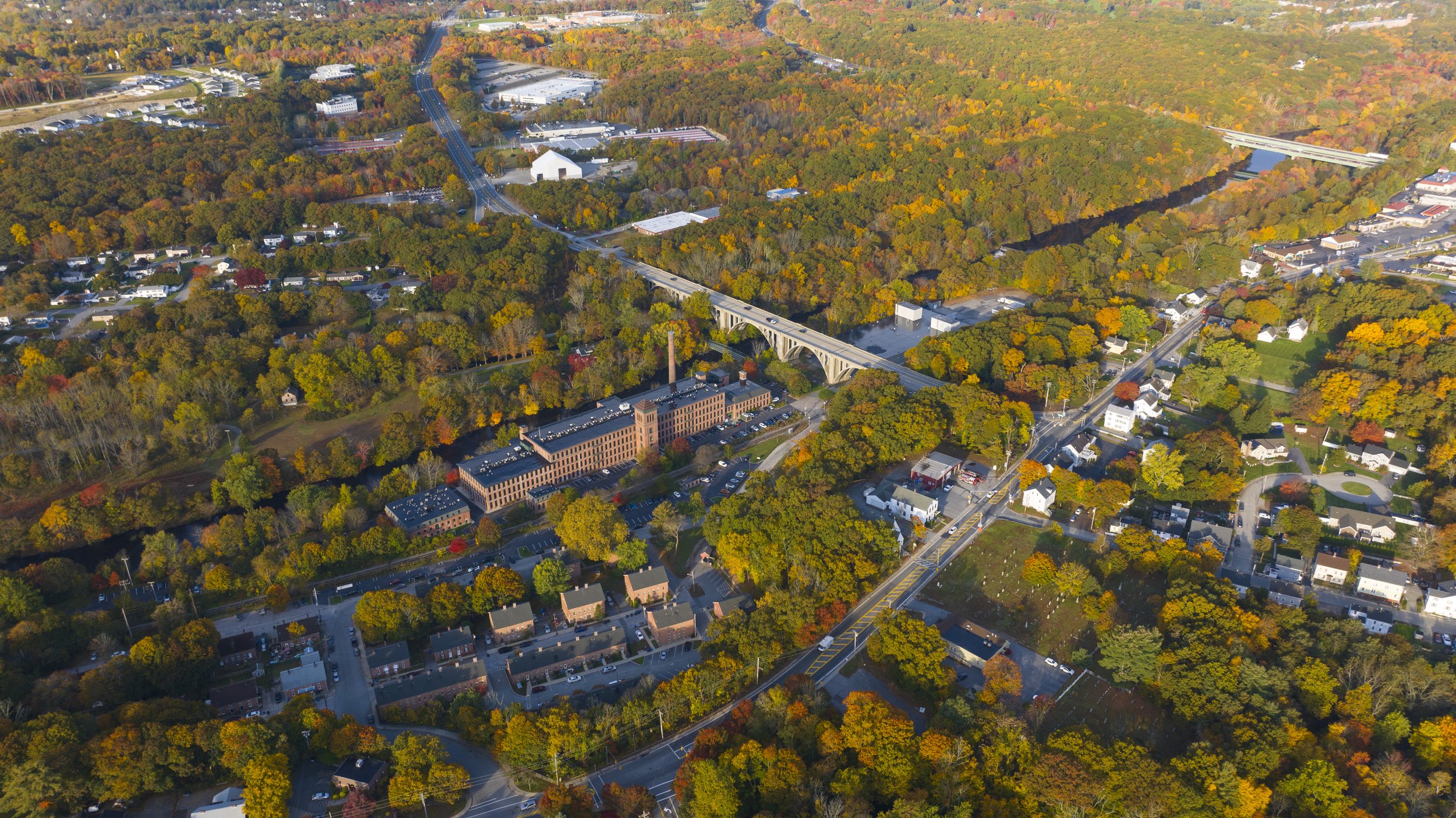
Ashton Village Cumberland, Rhode Island
The brick worker housing the Lonsdale Company built at Ashton in 1867 is still there. Still occupied. You can drive down Front Street and count the double houses they threw up in a single construction campaign. It's one of the most intact mill village streetscapes left in this whole valley.
Next time you're up Route 122 heading toward Cumberland, slow down a little. That's not just old brick. That's a system someone designed with a very specific vision of what workers' lives should look like. Worth thinking about.
Follow FilmmakerDave on Facebook and Instagram for more Blackstone Valley history. And if you know someone who grew up in Lonsdale or worked in those mills, tag them. I want to hear their stories.